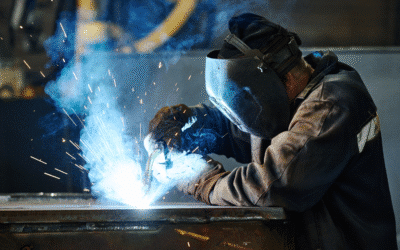
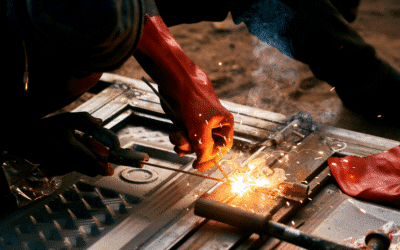
In industrial fabrication, quality decisions are often judged at the point of delivery. However, the true impact of fabrication quality is rarely visible until equipment is installed, commissioned, and placed into service. What may appear acceptable in the shop can quickly become costly once components are exposed to real operating conditions.
For engineers and project teams, fabrication quality is not simply a matter of workmanship. It directly influences reliability, maintainability, and long term performance. Small inconsistencies early in the process can cascade into larger operational challenges later.
Understanding how and where these risks originate is key to preventing them.
The Hidden Cost of Fabrication Shortcuts
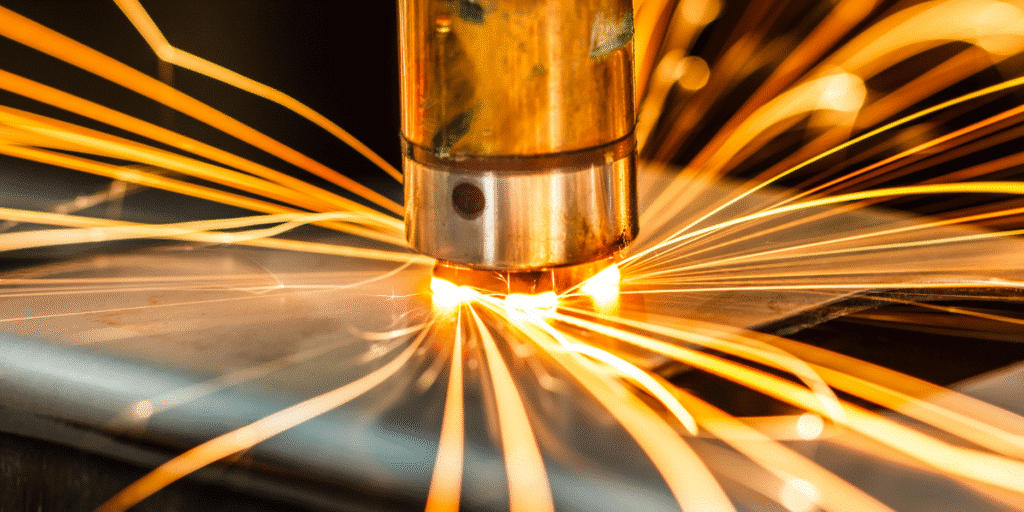
Fabrication issues rarely present themselves as a single obvious failure. Instead, they tend to appear gradually through misalignment, fit-up challenges, or performance deviations once equipment is installed in the field. Slightly incorrect tolerances, inconsistent welding preparation, or incomplete verification steps can all contribute to these outcomes.
When problems arise during installation or commissioning, project schedules are often already under pressure. Addressing issues at that stage frequently requires field modifications, additional labour, or extended downtime. All of which increase costs and disrupt operations.
Over time, these initial compromises can also shorten equipment life. Poor alignment and residual stress introduced during fabrication can accelerate wear, increase maintenance requirements, and reduce overall system efficiency.
Precision Is Built Into the Process
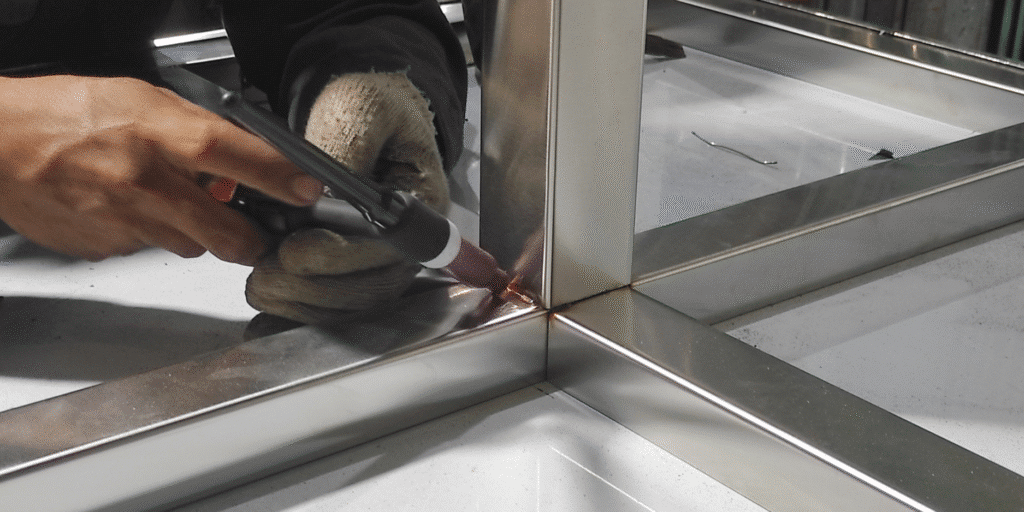
High quality fabrication is not achieved by inspection alone. It is the result of consistent, disciplined processes applied throughout every stage of a project (from drawing review to final shipment).
At D&R Custom Steel, precision begins with careful evaluation of customer drawings and specifications. This ensures material selection, tolerances, and fabrication methods are aligned with the intended application before production begins. Controlled cutting, forming, and fit-up help maintain dimensional accuracy as components move through the shop.
Trial assemblies, testing, and final inspections are then used to validate performance before equipment leaves the facility. These steps reduce uncertainty during installation and help ensure that components integrate smoothly into larger systems under real operating conditions.
“In fabrication, the true cost of ‘good enough’ isn’t measured in the shop. It’s measured in lost uptime in the field.”
Why Uptime Depends on Fabrication Quality
Uptime is often discussed in the context of industries such as water and wastewater, mining, or energy, where continuous operation is critical. In reality, uptime matters across every sector. Wherever equipment reliability affects productivity, safety, or service delivery.
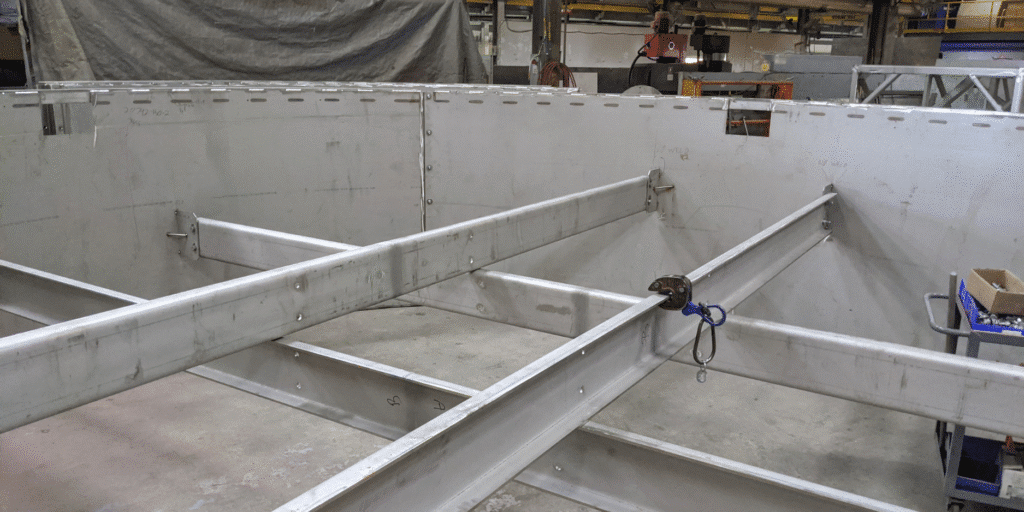
Fabrication quality plays a direct role in achieving that reliability. Poor fit-up, inconsistent weld quality, or inadequate verification can introduce stress points and misalignment that compromise performance over time. These issues may not be immediately apparent, but they often emerge through increased maintenance demands or unplanned outages.
By contrast, well fabricated equipment performs as intended, predictably and consistently. At D&R Custom Steel, our fabrication quality, attention to detail, and proven processes are built around a single objective: maximizing uptime in the field and protecting long-term operational performance.