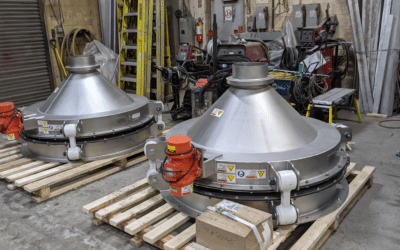
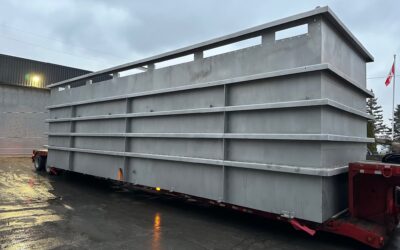
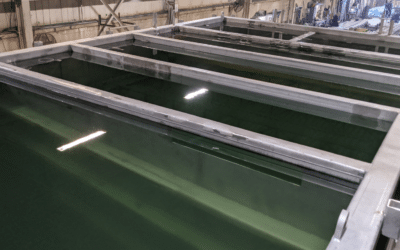
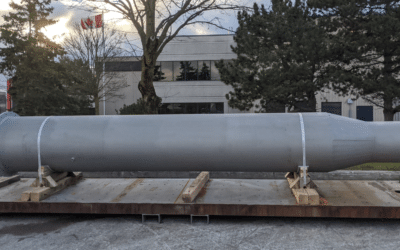
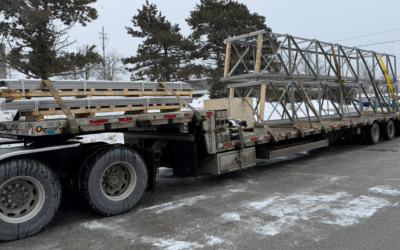
Clarifiers are a core component of water and wastewater treatment systems, responsible for separating solids from liquids through controlled settling processes. Their performance directly impacts system efficiency, maintenance requirements, and long term operational...
Fabrication
Technology Doesn’t Replace Experience. It Enhances It.
Modern fabrication shops are equipped with advanced CNC equipment, digital modelling tools, and highly efficient production systems. These technologies have transformed how components are produced, allowing for greater speed, consistency, and repeatability across...
Why Welding Distortion Happens and How Fabricators Control It
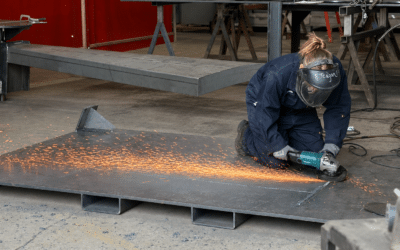
Welding is one of the most essential processes in industrial fabrication, but it also introduces one of the most common technical challenges: distortion. Whenever heat is applied to steel during welding, the material expands. As the weld cools, the material contracts...
Why Fabrication Sequencing Matters More Than Most People Realize
Most people think fabrication is about what gets built. Engineers know it is just as much about how it gets built, and in what order. The sequence in which fabrication steps are performed influences everything from dimensional accuracy to weld quality and material...
Forming 101: Why CNC Press Brake Accuracy Matters in Steel Fabrication
In steel fabrication, forming is the stage where a flat plate becomes functional. It is the process that transforms raw material into brackets, frames, channels, and structural components that must integrate seamlessly into larger assemblies. While forming may appear...
In fabrication, “Good Enough” Often Costs More In the Long Run
In industrial fabrication, quality decisions are often judged at the point of delivery. However, the true impact of fabrication quality is rarely visible until equipment is installed, commissioned, and placed into service. What may appear acceptable in the shop can...