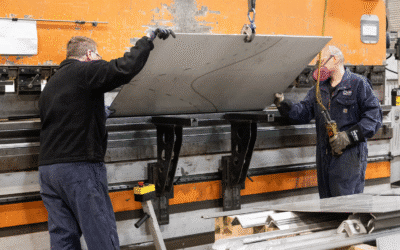
Most people think fabrication is about what gets built. Engineers know it is just as much about how it gets built, and in what order. The sequence in which fabrication steps are performed influences everything from dimensional accuracy to weld quality and material traceability. Once material is cut, the process begins to move forward in ways that are difficult to reverse without introducing cost, delay, or additional risk.
For engineering teams and fabrication partners, understanding how sequencing affects the final build is key to ensuring equipment performs as intended once it reaches the field.
Fabrication Sequencing Shapes the Outcome
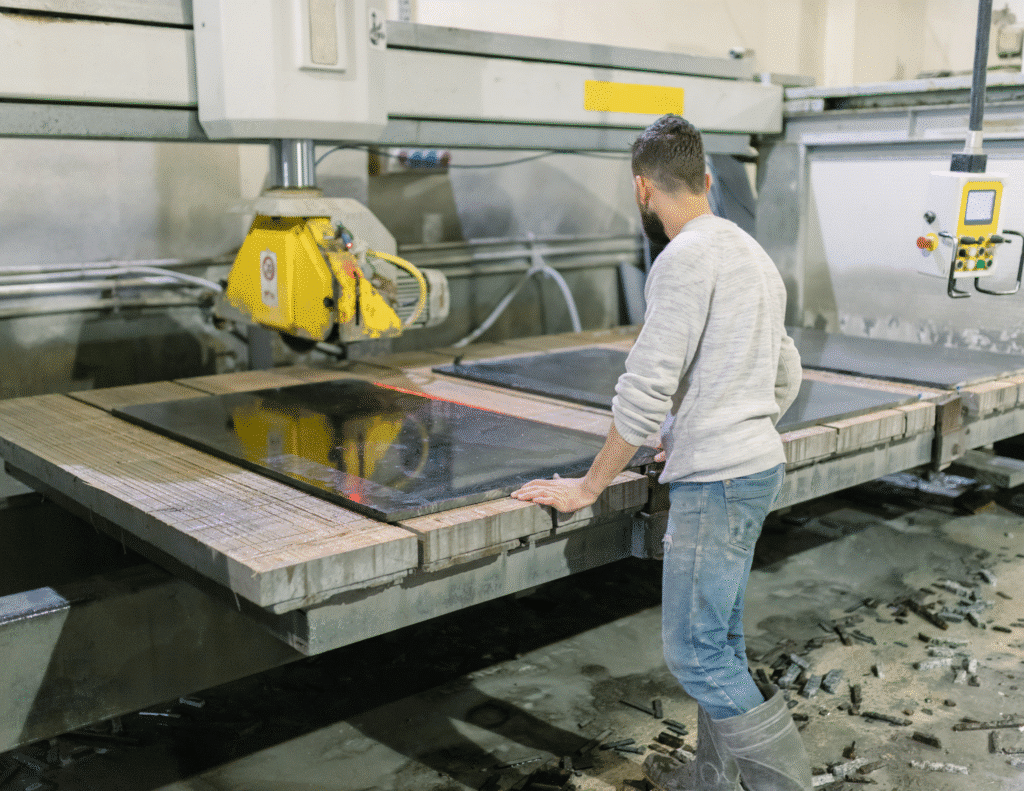
Fabrication sequencing determines far more than the order of shop tasks. It directly influences how parts are handled, when welds are applied, where distortion risks appear, and whether assemblies maintain their alignment throughout the build.
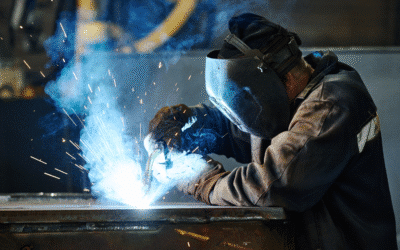
Even small changes in sequence can alter how stress is introduced into a structure. For example, welding large assemblies too early in a process can create distortion that complicates fit-up later in fabrication. Similarly, improper handling sequences can introduce dimensional variation before final assembly ever begins.
Experienced fabrication teams understand that sequencing is not just a workflow decision. It is a technical strategy used to protect tolerances, reduce rework, and ensure assemblies stay true to the design intent from the first cut to final inspection.
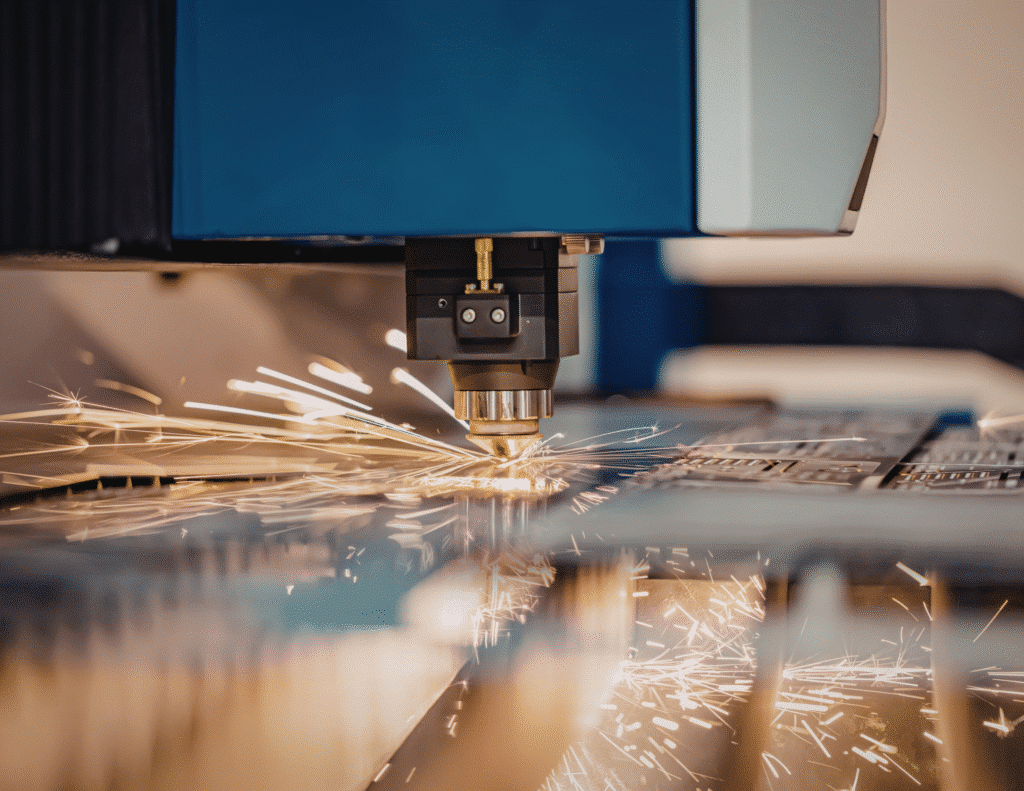
Traceability Depends on the Process
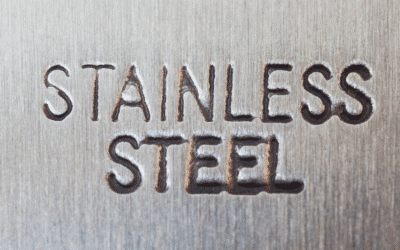
In many industrial sectors, maintaining material traceability is a fundamental requirement. Stainless steels, duplex alloys, and other corrosion resistant materials must often be tracked from raw stock through cutting, forming, welding, and final assembly to ensure compliance with project specifications.
Fabrication sequencing plays a critical role in preserving that traceability. When the sequence is properly planned, material identification can be maintained throughout the build process, even as components are cut into smaller pieces or integrated into larger assemblies. This ensures that the original material certifications remain linked to the final fabricated structure.
Maintaining traceability also supports inspection, documentation, and long-term asset management. Engineers and asset owners rely on this information to verify that the correct materials were used in the correct locations. A disciplined fabrication process ensures that traceability is protected from the first piece of raw material to the final assembled product.
“Once steel is cut, the path forward matters. Sequencing determines whether fabrication supports the design, or works against it.”
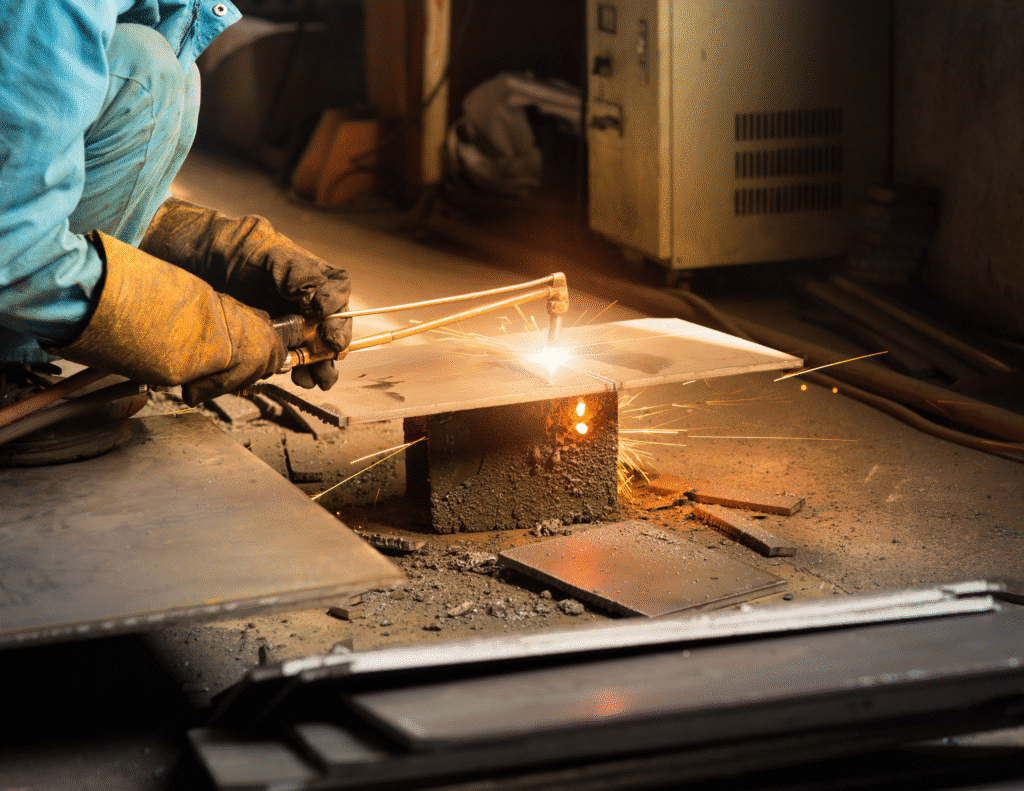
Why Sequencing Is Considered Early
Effective fabrication sequencing begins well before production starts. During early project review, fabrication teams evaluate drawings, assembly geometry, welding requirements, and handling constraints to determine the most effective build strategy.
This planning stage allows fabricators to identify potential distortion points, determine appropriate welding sequences, and ensure that material identification can be maintained throughout the process. By establishing a clear fabrication sequence early, the shop floor can operate with greater efficiency and fewer unexpected complications during production.
At D&R Custom Steel, sequencing is considered early because each step of fabrication influences the next. From material preparation and forming to welding and final assembly, every stage of the process is structured to maintain dimensional accuracy, protect material traceability, and reduce unnecessary rework. The result is equipment that installs more smoothly in the field and performs reliably throughout its service life.
For engineers designing complex industrial equipment, this raises an important question: how much of the fabrication sequence should be considered during design — and how much should be left to the shop?