Water and wastewater infrastructure has always been one of the most critical systems supporting modern communities. Every day, treatment facilities, pumping stations, and distribution networks operate behind the scenes to provide clean water and protect environmental resources.
While the importance of these systems has not changed, the expectations placed upon them have. Today’s infrastructure is expected to operate more efficiently, handle greater fluctuations in demand, meet increasingly stringent regulatory requirements, and continue performing reliably for decades.
For engineers, municipalities, and infrastructure owners, this shift is changing how projects are evaluated. The conversation is no longer focused solely on whether equipment will function as designed on day one. Increasingly, the focus is on how that equipment will perform twenty years from now.
Reliability Is Becoming a Design Requirement
Historically, many infrastructure decisions were driven primarily by capital costs and immediate project requirements. While those considerations remain important, there is now greater recognition that long term reliability can have a significant impact on overall project value. Unplanned maintenance, premature equipment replacement, and operational downtime can quickly outweigh initial cost savings. As a result, reliability is becoming a key consideration during both design and procurement stages.
Engineers are increasingly evaluating equipment based on service life, maintainability, material performance, and lifecycle costs. Questions around corrosion resistance, inspection accessibility, replacement intervals, and operational efficiency are becoming more common as asset owners seek solutions that will continue performing decades into the future. This shift is driving greater collaboration between designers, fabricators, and end users to ensure that infrastructure investments deliver long-term value rather than simply meeting minimum project requirements.
Fabrication Quality Has a Larger Impact Than Ever
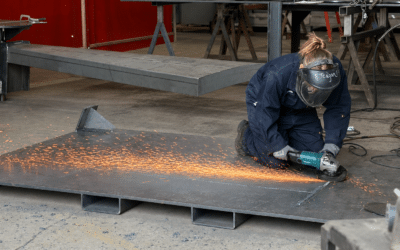
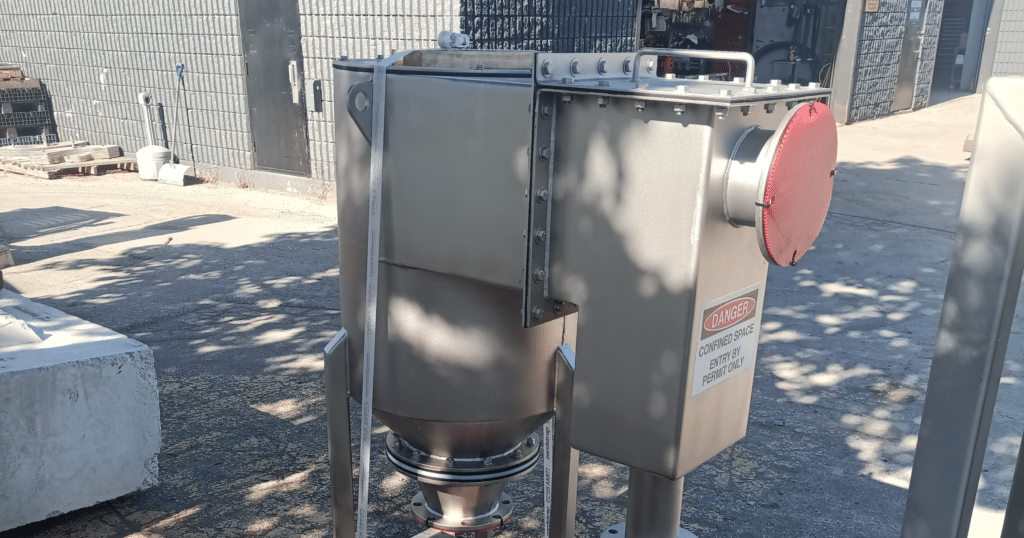
As expectations for long term performance increase, the role of fabrication quality becomes increasingly important. The quality of fit up, welding, forming, machining, assembly, and inspection all contribute to how equipment performs once it enters service. While these details may not always be visible after installation, their impact can often be measured years later through maintenance requirements, reliability, and overall equipment lifespan. Material selection also plays a significant role. Stainless steels, duplex alloys, and other corrosion resistant materials are being specified more frequently as owners seek to extend service life and reduce long term maintenance costs. However, selecting the right material is only part of the equation. Fabrication processes must also support and preserve the performance characteristics of those materials.
For water and wastewater infrastructure, quality fabrication is no longer viewed as a project requirement alone. It is increasingly viewed as an investment in future operational performance.
“The future of water infrastructure will not be measured by how efficiently it starts operation, but by how reliably it continues operating decades later.”
Planning for the Next Generation of Infrastructure
One of the biggest challenges facing water and wastewater infrastructure over the next decade will be balancing growing demands with aging assets. Many facilities across North America are being asked to process higher volumes, meet evolving environmental standards, and operate with greater efficiency while existing infrastructure continues to age. At the same time, municipalities and utilities must carefully manage budgets and long term capital planning.
This reality is driving a greater focus on infrastructure resiliency. Equipment and systems are increasingly being selected based on their ability to adapt, endure, and perform under changing conditions. Long term reliability, maintainability, and lifecycle performance are becoming essential design considerations rather than secondary benefits.
At D&R Custom Steel, many of the projects we support are part of this broader effort to strengthen and modernize critical infrastructure. As water and wastewater systems continue to evolve, fabrication quality, material expertise, and long term performance will remain central to building infrastructure that serves communities for generations.