Stainless steel pricing continues to be a critical consideration for engineers, procurement teams, and fabrication partners. In 2026, pricing trends are being shaped by a combination of global economic factors, material inputs, and supply chain conditions.
While pricing volatility has stabilized compared to previous years, it remains influenced by several key variables that directly affect project planning and material availability.
Understanding these factors allows project teams to make informed decisions around timing, budgeting, and procurement strategies.
Key Factors Influencing Pricing
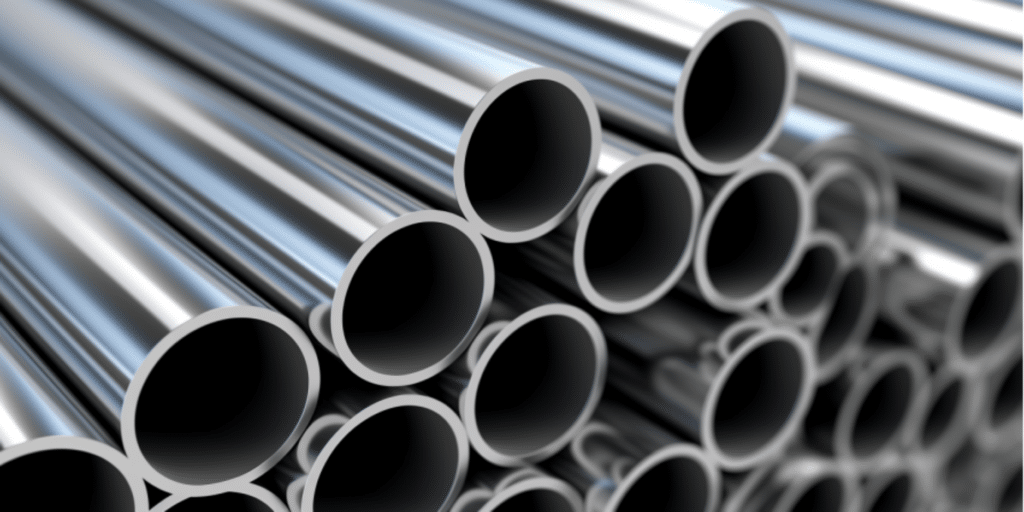
One of the primary drivers of stainless steel pricing is nickel volatility. Nickel is a key alloying element, and fluctuations in its market price can significantly impact the cost of stainless steel products.
Energy costs, particularly in Europe, also play a role in production pricing. Steel manufacturing is energy intensive, and regional energy pricing directly affects mill output costs and global supply.
In addition, mill capacity and regional production levels influence availability. When capacity is constrained, lead times increase and pricing pressure can follow.
Supply Chain and Lead Time Trends
Compared to the peaks experienced between 2023 and 2025, lead times in 2026 have shown signs of improvement. Increased production stability and more predictable logistics have helped reduce delays.
Freight conditions have also stabilized, making transportation timelines more consistent. This allows fabrication partners to plan projects with greater confidence in material delivery schedules.
However, while conditions have improved, early procurement planning remains essential. Material forecasting helps avoid delays and ensures that fabrication schedules are not disrupted by supply chain uncertainty.
“Material availability doesn’t just affect cost. It affects project timelines, sequencing, and overall execution.”
Why Material Planning Still Matters
For fabrication partners, managing material flow is just as important as managing shop capacity. Even the most efficient fabrication process depends on having the right materials available at the right time.
At D&R Custom Steel, proactive material planning helps ensure that projects move forward without interruption! By staying aligned with market trends and supplier conditions, fabrication schedules can be maintained more reliably.
For engineers and procurement teams, the key question remains: are material lead times stabilizing enough to reduce risk, or is early planning still critical?