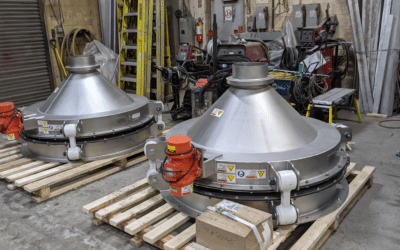
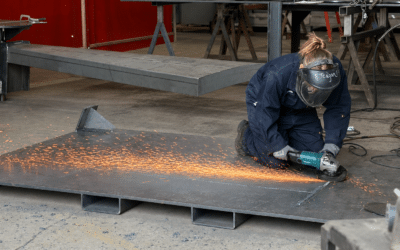
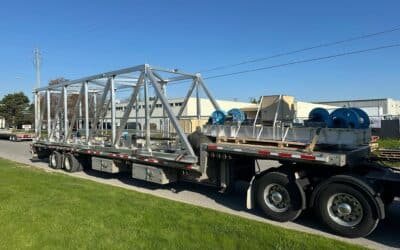
Modern fabrication shops are equipped with advanced CNC equipment, digital modelling tools, and highly efficient production systems. These technologies have transformed how components are produced, allowing for greater speed, consistency, and repeatability across complex builds.
However, while technology plays a critical role in fabrication today, it does not independently guarantee quality. The reliability of a finished product still depends on how effectively those tools are used, and more importantly, on the experience behind them.
For engineers and project teams, understanding the relationship between technology and skilled trades is essential. The most successful fabrication outcomes are not driven by one or the other, but by how well they are integrated.
Technology Improves Speed and Consistency
CNC equipment and digital fabrication tools allow for precise control over cutting, forming, and machining processes. These systems reduce variability and enable repeatable results across large production runs, which is especially valuable in projects requiring tight tolerances and consistent part geometry.
Digital modelling and offline programming further enhance this capability by allowing fabrication steps to be planned and validated before production begins. This reduces “trial – and – error” on the shop floor and helps ensure that components are built according to design intent.
These advancements improve efficiency and throughput, allowing fabrication teams to deliver high quality components on schedule. However, while technology improves consistency, it does not replace the need for critical decision making during fabrication.
Experience Interprets What Technology Cannot
Experienced tradespeople bring a level of judgement that cannot be programmed. They understand how to interpret drawings beyond dimensions, recognizing where tolerances are most critical and where adjustments may be required based on material behaviour or assembly conditions.
This experience becomes especially important when unexpected challenges arise. Material variation, fit up conditions, or sequencing constraints can all require real time decisions that ensure the build continues without compromising quality.
Time spent in the field also informs how fabrication decisions impact installation and long term performance. This practical knowledge allows experienced fabricators to anticipate issues early and adjust accordingly, preventing problems before they occur.
“Technology supports consistency. Experience ensures that consistency delivers performance.”
The Balance That Drives Reliable Outcomes
The most effective fabrication environments combine advanced technology with skilled trades expertise. Technology enables precision and repeatability, while experience ensures that each step of the process supports the overall integrity of the build.
At D&R Custom Steel, this balance is central to how projects are executed. Digital tools help streamline production, but it is the experience of the team that ensures quality is maintained from initial fabrication through final assembly.
When technology and experience work together, the result is not just efficient production, it is equipment that performs reliably in the field.