Material selection in industrial fabrication is undergoing a noticeable shift.
Where decisions were once driven primarily by upfront cost, they are now increasingly based on how materials perform over time. Engineers and project teams are placing greater emphasis on durability, corrosion resistance, and long term reliability when specifying materials.
This shift reflects a broader change in how projects are evaluated. Performance over the lifecycle of equipment is becoming just as important as initial capital cost.
Performance Is Driving Material Choices
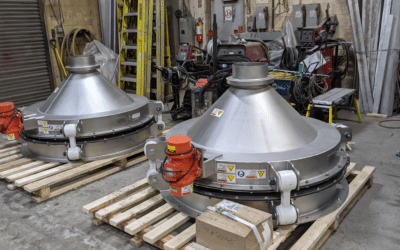
Materials such as 316L stainless steel, duplex alloys, and specialty corrosion resistant metals are being specified more frequently in applications where environmental conditions are demanding.
These materials offer advantages in durability and resistance to aggressive conditions, including moisture, chemicals, and temperature variation. While they may carry a higher upfront cost, they often reduce long-term maintenance requirements and extend equipment life.
For many projects, this results in a more predictable and reliable outcome. The focus is shifting toward minimizing downtime and ensuring consistent performance over extended operating periods.

Fabrication Requirements Are Increasing
As material performance requirements increase, so do the demands placed on fabrication.
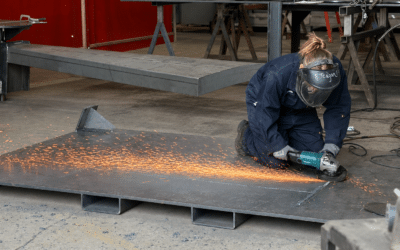
Higher performance materials require a more controlled approach to cutting, forming, and welding. Heat input must be managed carefully, welding procedures must be aligned with material properties, and handling practices must preserve surface integrity.
Fabrication teams must also understand how these materials behave during production. Differences in thermal expansion, work hardening, and weld characteristics all influence how components are built and assembled. This makes material selection not just a design decision, but a fabrication consideration as well.
“Choosing the right material is only part of the equation. How it’s fabricated determines how it performs.”
Why Material Strategy Matters More Than Ever
As projects become more complex, the relationship between design and fabrication continues to strengthen. Material decisions now influence fabrication processes, timelines, and long-term performance outcomes. Early collaboration between engineers and fabrication teams helps ensure that materials are selected and processed in a way that supports the intended application.
At D&R Custom Steel, working with a range of materials (from standard stainless steels to advanced alloys) requires a disciplined approach to fabrication. Each material is handled with processes designed to maintain its performance characteristics through every stage of production.
For engineers, the key question is no longer just about cost. It is about balancing cost with performance, reliability, and long term value.